Smart Home Devices
Thermostats, plugs, lights and speakers — the gadgets that make a home smart, with picks for beginners and for tight budgets.
A smart home almost never starts with a grand plan — it starts with one gadget that turns out to be genuinely useful, and then a second. The trick is buying the right first pieces and understanding how they talk to each other, so you build up a system that grows instead of a drawer of apps that don’t. This hub is the map: the categories that matter, the order to buy them in, and the one thing the marketing rarely mentions — how much the whole setup costs you to run once the box is open.
Start with two things: a speaker and a plug
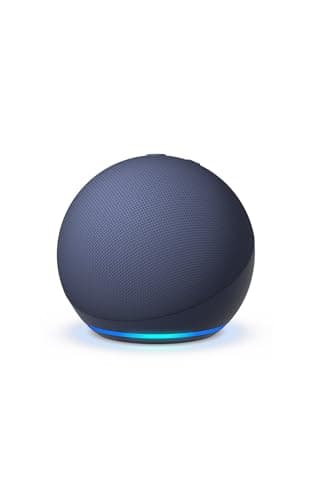
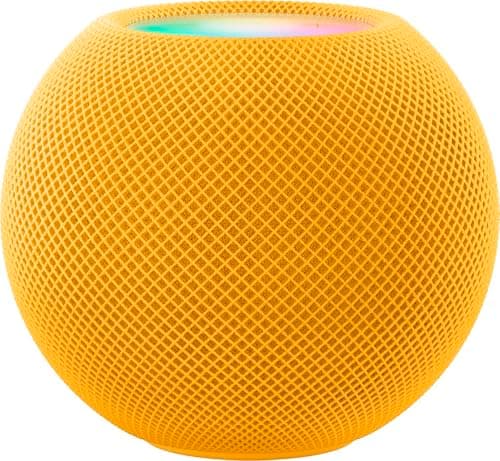
If you buy nothing else, buy a small smart speaker and a smart plug. The speaker — an Amazon Echo Dot, a Google Nest speaker, or an Apple HomePod mini — is how you say “turn off the lamp” out loud, and on most platforms it doubles as a basic controller for other devices, so it earns its keep twice. The plug is the cheapest way to make something “dumb” smart: put a lamp, a fan, or the coffee maker on a smart plug and suddenly it’s on a schedule and answers to your voice, with no wiring and no risk. Between them these two devices teach you the whole pattern — voice, app, schedule, automation — for the price of a takeout dinner. Our best smart home devices roundup walks through exactly what to add after those first two, and the beginner’s guidelays out the ecosystem-first path so you don’t paint yourself into a corner.
The main device categories
Four categories cover most of what people actually put in a home. Speakers and hubsare the brain — they run your voice assistant and, in many cases, act as the controller that other gadgets connect through. Smart plugs are the gateway drug: cheap, hub-free, and the fastest way to automate anything that plugs into a wall. Smart bulbs add lighting you can dim, schedule, and set to warm or cool white (or full color), either as simple Wi-Fi bulbs or as a more robust bridge-based system. And thermostats are the one category that can pay for itself, since heating and cooling is the biggest energy line in most homes. Each has its own deep-dive: the best smart light bulbs weigh bridge systems against Wi-Fi bulbs, the smart thermostat picks compare the mainstream models on ecosystem and wiring, and the affordable picks show how far a budget stretches if you shop carefully.
No-hub Wi-Fi devices vs hub-based systems
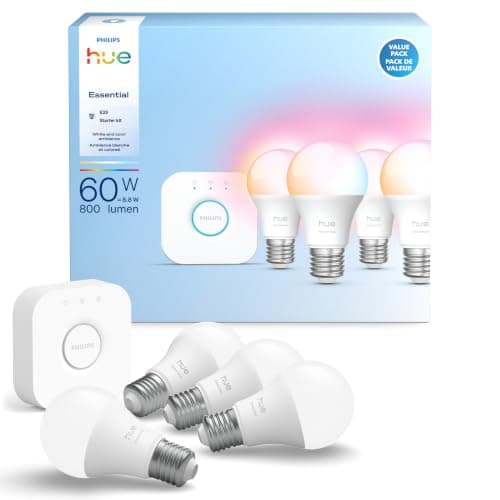
This is the fork in the road most beginners hit without noticing. Many devices — smart plugs, most budget bulbs, Wi-Fi thermostats — connect straight to your home Wi-Fi and need no hub at all. You open an app, connect the device, and you’re done. That’s the simplest possible start and it’s the right call for a handful of gadgets. The trade-off shows up at scale: a couple dozen Wi-Fi devices all fighting for the same router can get flaky. That’s where hub-based systems earn their place. Philips Hue bulbs, for example, run on Zigbee through a small bridge rather than on Wi-Fi, which keeps them responsive when you have a lot of them and takes the load off your network. The good news is you don’t have to choose forever — Matter, the newer cross-brand standard, is designed to let Wi-Fi and hub-based devices live under one roof. If you’re weighing an ecosystem, the hubs and ecosystems hub is the place to start.
Keeping the running cost near zero
Here’s the part the sticker price hides: most of the devices in this section have no monthly fee at all. A smart plug, a bulb, a thermostat, a speaker — you buy them once and run them for free. The recurring bills in a smart home come mostly from cameras and alarm monitoring, not from the everyday gadgets here, so a plugs-and-bulbs setup can be genuinely “buy once, pay nothing.” The two costs worth watching are trivial electricity draw (a plug or a bulb sipping standby power) and the occasional device that tries to upsell you a cloud plan you don’t need. We flag any of that on every product, and the smart home running-cost guide lays out the real yearly math — and how to keep it close to zero. Below, every category leads with the facts that decide it, then the picks, each with a live price and a one-click buy link.
Everything in Devices
Best Smart Home Devices
The devices most worth owning first — a speaker, a plug, a thermostat, a bulb — ranked on value and how well they play with others.
Our top pick
Amazon Echo Dot (5th Gen)
$79.99 · View on AmazonPrice as of October 19, 2026. #ad How we’re funded
Best Smart Thermostats
Nest, ecobee and Amazon compared on ecosystem, C-wire needs and the energy savings that decide whether they pay for themselves.
Our top pick
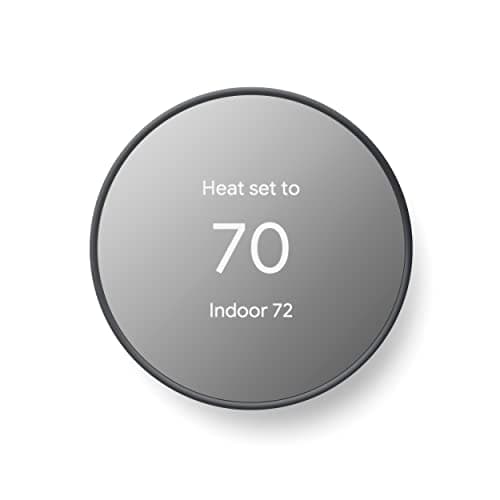
Google Nest Thermostat
Best Affordable Smart Home Devices
A genuinely smart home for under a hundred dollars — the cheap plugs, bulbs and speakers that don't feel cheap.
Our top pick
Amazon Echo Dot (5th Gen)
$79.99 · View on AmazonPrice as of October 19, 2026. #ad How we’re funded
Best Smart Home Devices for Beginners
The five or six devices we'd hand a first-timer — a speaker, a plug, a camera, a thermostat and a bulb — chosen to just work and to play nicely together.
Our top pick
Amazon Echo Dot (5th Gen)
$79.99 · View on AmazonPrice as of October 19, 2026. #ad How we’re funded
Nest vs ecobee: Which Smart Thermostat Wins?
The two thermostats everyone cross-shops compared on ecosystem, the C-wire question, room sensors and which one actually saves you more.
Best Smart Home Gifts
Smart-home gifts that are easy to set up and work without a subscription — a giftable pick for every budget, from stocking stuffer to splurge.
Our top pick
Amazon Echo Dot (5th Gen)
$79.99 · View on AmazonPrice as of October 19, 2026. #ad How we’re funded
Nest vs Amazon Smart Thermostat
The two cheapest smart thermostats worth owning, compared on the thing that decides it for most homes: the wiring already in your wall.
Best Smart Plugs
The cheapest way to make an ordinary appliance smart — ranked on which ecosystems each plug really joins, whether it meters the power, and what it is rated to carry.
Our top pick
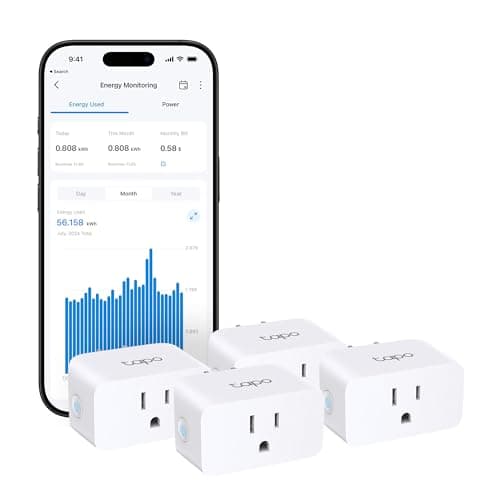
TP-Link Tapo P110M (4-pack)
Best Smart Light Bulbs
Bridge bulbs versus Wi-Fi bulbs, what Matter really buys you, and the published brightness behind the marketing — ranked with live prices.
Our top pick
Philips Hue Essential Starter Kit (Bridge + 4 bulbs)
Best Smart Plugs for Home Assistant
Which plugs Home Assistant reaches over Matter as Local Push, which go through the Local Polling TP-Link integration, and why local access still wants a cloud login — ranked with live prices.
Our top pick
TP-Link Tapo P110M (4-pack)
Kasa vs Tapo: TP-Link's Two Smart Home Brands Compared
TP-Link owns both, and one app now runs both — so the real question is which brand's hardware does what. Compared on Matter, metering, cameras and what does not carry across.
Our top pick
TP-Link Tapo P110M (4-pack)
Best Smart Thermostats for Alexa
Alexa built into the thermostat, Alexa in the app only, or Alexa through a skill — the three ways a thermostat can "work with Alexa" and which one you actually want, ranked with live prices.
Our top pick
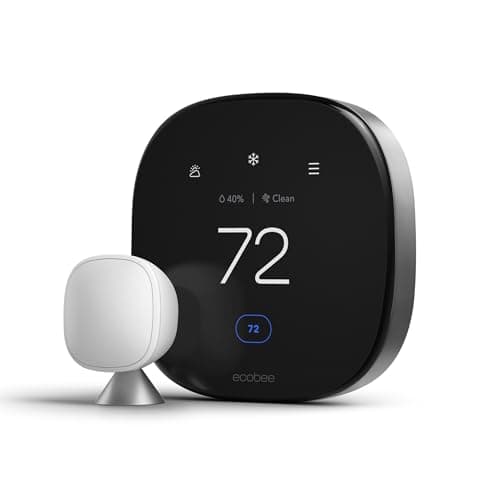
ecobee Smart Thermostat Premium
Best Smart Light Bulbs for Home Assistant
Home Assistant publishes an IoT class for every integration, and for bulbs it is the whole decision: Hue and Matter push locally, the TP-Link bulbs poll locally, and one of them needs a cloud password to do it.
Our top pick
Philips Hue Essential Starter Kit (Bridge + 4 bulbs)
Best Smart Home Devices for Apple Home
Apple's rules come first: a home hub is mandatory before any Matter accessory can join, and Thread needs the right hub. The devices that genuinely show up in the Home app, ranked.
Our top pick
Apple HomePod mini