What order should you buy in?
The mistake most people make is buying a device before they’ve picked an ecosystem — the voice assistant and app everything will live in. Decide that first (Alexa, Google Home, or Apple Home), because it quietly shapes every purchase after it. Then build up in this order: a speaker, a plug, some lighting, and a thermostat.
1. A speaker, to run the whole thing by voice
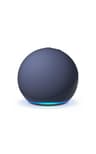
A small speaker is the best first device because it does two jobs. It’s how you control everything hands-free, and on most platforms it also acts as a basic controller that other gadgets connect through. The Amazon Echo Dot is our default “start here” pick simply because it’s cheap, sounds good for its size, and doubles as a basic Matter controller — but if your household is on iPhones, a HomePod mini keeps you in Apple’s world instead.
2. A smart plug, the cheapest useful upgrade
A smart plug is the fastest “aha” in the whole hobby: put a lamp or a fan on one and it’s instantly on a schedule and answers to your voice, with no wiring at all. The Kasa Smart Plug Mini is the one we’d hand a beginner because — unusually at its price — it works with Apple Home as well as Alexa and Google, needs no hub, and comes in a cheap four-pack so you can smarten several outlets at once.
3. Lighting, once you want more than a lamp
You can start with plain Wi-Fi bulbs, but if you plan to run more than a few, a bridge-based system is more reliable. The Philips Hue Essential starter kit puts its bulbs on Zigbee through a small bridge rather than on your Wi-Fi, which keeps them responsive at scale, and the bridge now speaks Matterso the whole system plugs into any ecosystem. It costs more than cheap Wi-Fi bulbs; you’re paying for the reliability.
4. A thermostat, the one that can pay for itself
Heating and cooling is the biggest energy line in most homes, so a thermostat is the one device here that can earn its price back. Used well — with automatic schedules and setbacks when you’re out — a smart thermostat can lower heating and cooling costs, which is why ENERGY STAR runs a certification program specifically for them. The Nest Thermostat is our best-value pick; the ecobee Premium is the one to buy if you want a device that works across every ecosystem, Apple Home included.
How to choose, in one line
Match the device to your ecosystem, favor gadgets that work with more than one platform so you’re not locked in, and check whether anything you’re buying tries to sell you a cloud plan you don’t need. If you run more than one brand, the compatibility matrix shows what works with what before you commit.