Smart Home Hubs & Ecosystems
Pick your ecosystem first, then your hub. Alexa, Google, Apple Home and SmartThings compared — plus the Matter question everyone's asking.
A smart home hub is the piece most people buy last and should think about first. It’s the thing that lets a light, a lock and a sensor from three different brands act as one system — press one button, say one phrase, run one automation. Get the hub decision right and everything you add afterward just works. Get it wrong and you end up with four apps, a device that won’t talk to the others, and a drawer full of gadgets you gave up on.
Pick your ecosystem first
Before you buy any hardware, pick the world your smart home will live in. There are four that matter: Amazon Alexa, Google Home, Apple Home and Samsung SmartThings. That choice decides which voice assistant you talk to, which app you open, and — quietly — which devices you’re allowed to buy later without hitting a wall. Alexa has the widest device support and the cheapest way in, which is why it suits most beginners. Apple Home has fewer compatible devices but the strongest privacy stance, and it’s the natural pick if your household is on iPhones. Google Home sits between the two and fits Android households. SmartThings is the power-user option with the biggest device catalog behind one app. We walk through the trade-offs in depth in the ecosystems comparison, and if you’re starting from zero, the beginner’s guide lays out the whole path in order.
What a hub actually does
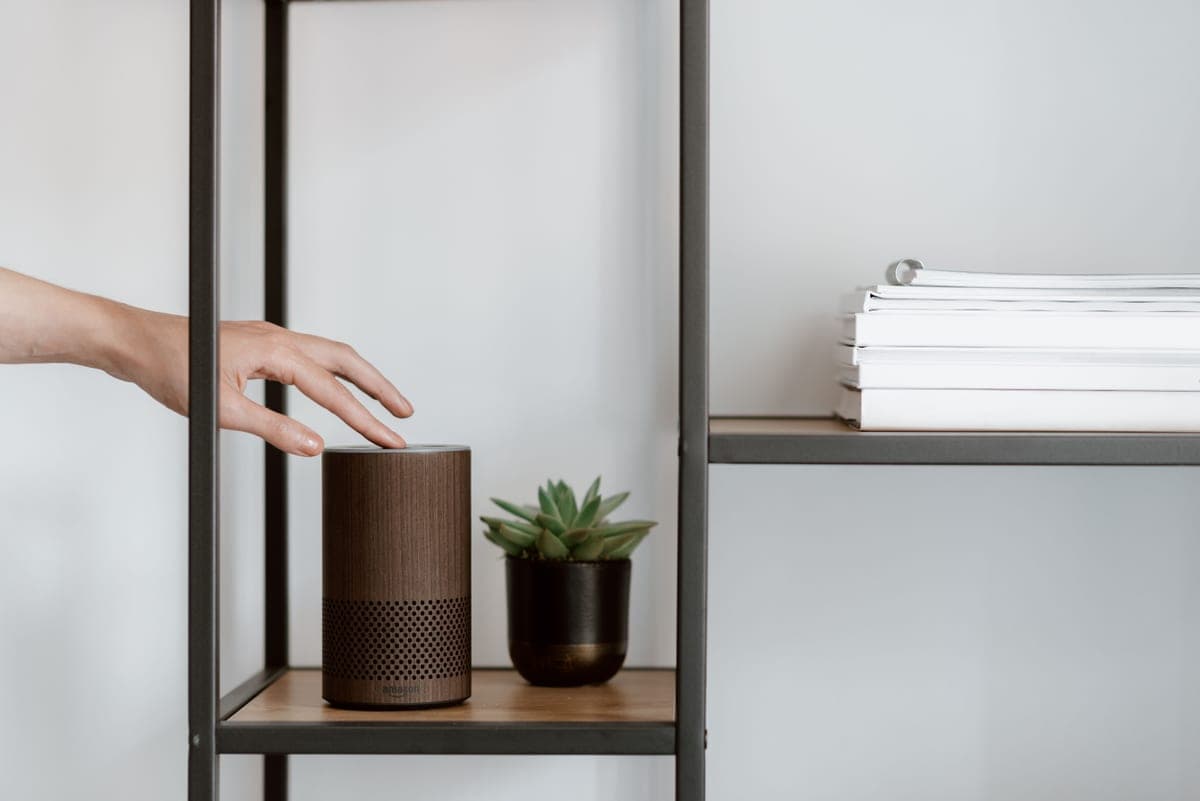
A hub is a translator and a traffic controller. Your devices speak different radio languages, and a hub sits in the middle so they can understand each other and follow rules you set — “lock the door and turn off the lights at 11pm,” “flash the lamp when the doorbell rings.” Some hubs are dedicated boxes; plenty of people never buy one because a smart speaker they already own doubles as a basic hub. The difference is how much the hub can do on its own and how many protocols it supports. A simple Alexa speaker can control Wi-Fi and Matter devices; a proper hub adds the low-power radios that the more capable sensors and locks rely on. If you only ever plan to run a few Wi-Fi plugs and bulbs, you may not need a standalone hub at all — the best smart home hubs roundup notes which picks are true hubs and which are speakers that moonlight as one.
Protocols: Wi-Fi, Zigbee, Z-Wave, Thread and Matter
The alphabet soup is worth two minutes because it decides what you can connect. Wi-Fiis the one you already have; it’s easy and needs no hub, but a house full of Wi-Fi gadgets can crowd your network and drain batteries. Zigbee and Z-Waveare low-power mesh radios built for smart homes — each device relays for the next, so they’re reliable and gentle on batteries, but they need a hub with the right radio. Thread is the newer low-power mesh, and Matteris the connectivity standard meant to let devices from any brand work across Alexa, Google, Apple and SmartThings alike. Matter is the reason the ecosystem decision is less permanent than it used to be — but it isn’t magic, and it doesn’t cover every device yet. We separate the promise from the reality in what is Matter (and do you need it), and if you want to know exactly which device works with which platform, the compatibility matrix is a device-by-ecosystem grid.
Cloud-dependent vs local-first hubs
The last question is where the thinking happens. Most mainstream hubs are cloud-dependent: your automations run on a company’s servers, which is convenient and beginner-friendly, but it means a routine can stall when the internet drops and your data lives on someone else’s computer. Local-firsthubs run automations on the box in your house, so they keep working offline and nothing has to phone home for permission. Local-first platforms are more private and more resilient, at the cost of a steeper setup — they’re aimed at people who enjoy the tinkering. Neither is wrong; they answer different questions. If “it just works” matters most, a cloud-tied Echo or HomePod is the saner start. If cloud dependence and monthly fees are the whole reason you’ve resisted a smart home, a local-first hub is the answer. Below, every pick is labeled by ecosystem, protocol support and how much cloud it leans on — each with a live price and a one-click buy link.
Everything in Hubs & Ecosystems
Best Smart Home Hubs
From a $50 Echo to a local-first Hubitat — hubs ranked by ecosystem, protocol support and how much cloud they depend on.
Our top pick
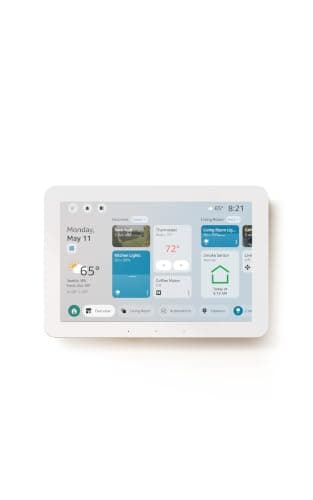
Amazon Echo Hub (8-inch panel)
$179.99 · View on AmazonPrice as of October 19, 2026. #ad How we’re funded
Alexa vs Google vs Apple vs SmartThings
The single most important smart-home decision — which voice assistant and app your devices live in. A plain-English comparison.
Alexa vs Google Home: Which Should You Pick?
The two most popular voice assistants head to head — device support, smarts, privacy and which one to build your home around.
SmartThings vs Home Assistant
The polished, cloud-connected SmartThings versus the powerful, fully local Home Assistant — one for most people, one for tinkerers.
Hubitat vs Home Assistant
Both run automations locally with no cloud and no fees. One arrives with the radios inside it; the other is a platform you will end up maintaining.
Homey Pro vs Hubitat
Two local-first hubs with no required fee. The Homey has Zigbee and Thread in one box; the Hubitat has better Z-Wave, an Ethernet port and costs a fraction as much.
Best Smart Home Hubs for Privacy
Privacy in a smart home is an architecture question, not a settings question: three hubs that run your automations on the box in your hallway instead of in somebody else's data centre.
Our top pick
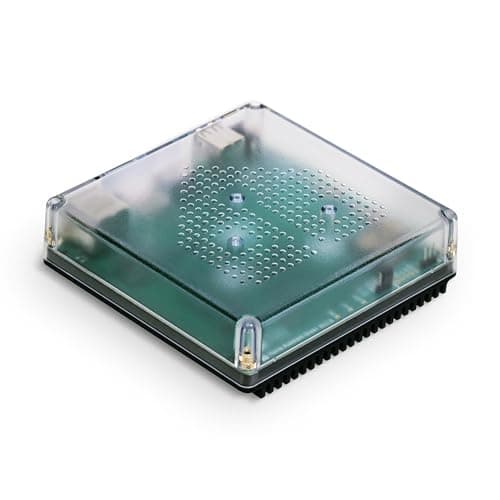
Home Assistant Green
$219.00 · View on AmazonPrice as of October 19, 2026. #ad How we’re funded